
Is Gambling Addiction Real?
Cutting right to the chase: The answer is yes. Gambling addiction is a real, clinically recognized disease. Let’s get a bit into the science.
What the Medical Community Says
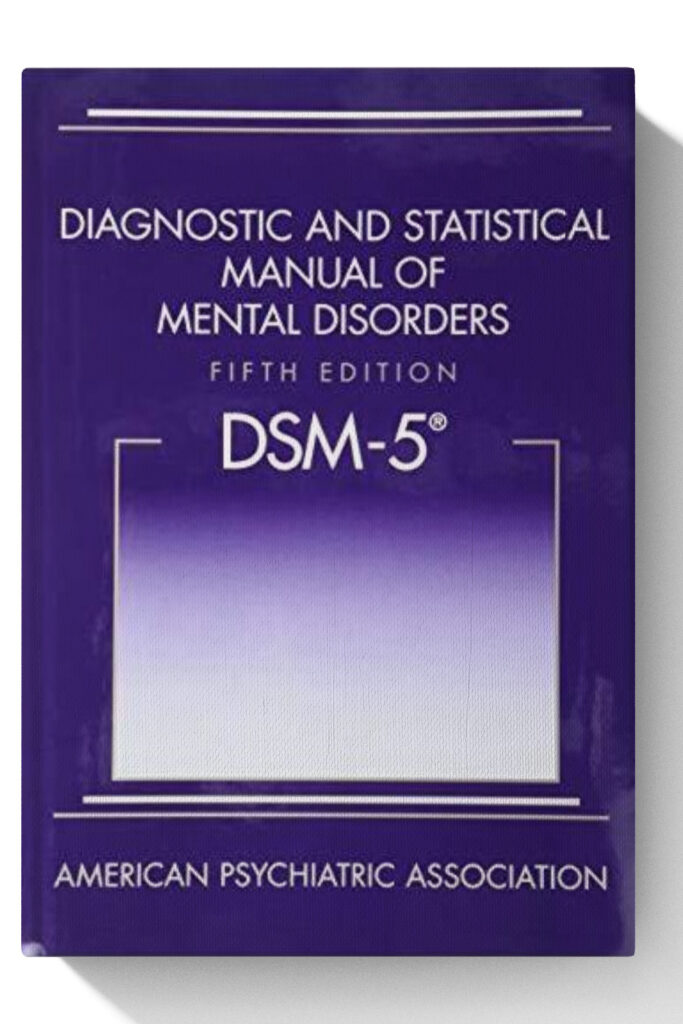
Gambling Disorder is listed in the DSM-5, the Diagnostic and Statistical Manual of Mental Disorders, Fifth Edition, as a behavioral addiction. This is the diagnostic bible used by psychiatrists, psychologists, and clinicians across the United States.
Gambling Disorder is the only non-substance behavioral addiction currently classified alongside substance use disorders in the DSM-5. That distinction reflects decades of research showing that compulsive gambling involves the same neural pathways, the same reward systems, and many of the same behavioral patterns as drug and alcohol addiction.
The World Health Organization (WHO) also recognizes gambling disorder in the ICD-11 (International Classification of Diseases), the global standard for medical diagnoses.
This isn’t a recent, the psychiatric community has been building this case for decades. Gambling disorder has been recognized going back to the 70s.
The Brain Science
The core argument for gambling addiction as a disease comes from neuroscience.
When a person gambles, or even anticipates gambling, the brain releases dopamine, the neurotransmitter associated with pleasure and reward. The same system fires when someone uses cocaine, drinks alcohol, or engages in any other addictive behavior. The brain doesn’t distinguish between a reward for a chemical reason and a behavioral one. It just registers: that felt good, do it again.
Over time, the brain adapts. It downregulates dopamine receptors, which means the person needs more stimulation; bigger, riskier, or more novel bets; longer sessions; etc to feel the same effect. This is called tolerance and it’s both physiological and psychological.
Research using neuroimaging has shown that people with gambling disorder exhibit measurably different brain activity than the general population particularly in the prefrontal cortex which is the region responsible for impulse control, decision-making, and weighing long-term consequences. This is why someone in the grip of this disorder can know, rationally, that what they’re doing is destructive and still be unable to stop gambling. The hardware for rational override has been compromised and your husband, or child or business partner quite literally CAN’T stop gambling.
This is disease.
Isn’t It Just a Choice?
This is the most common objection and, given the lack of awareness about gambling addiction and addiction to more niche compulsions like sports betting and prediction markets, it’s not surprising.
So, gambling absolutely involves choices. The first time someone places a bet is a choice. But so is the first drink an alcoholic takes. At some point in addiction, the nature of “choice” changes. The brain has been so restructured by the addictive behavior that the normal mechanisms of voluntary control are impaired.
Research published in peer-reviewed journals consistently shows that people with gambling disorder have impaired impulse control that is measurable on neurological tests not just reported self-assessments. Their brains process risk, reward, and loss differently than non-disordered gamblers.
Calling gambling addiction a choice, in the sense that it is ONLY a choice, would be like calling Type 2 diabetes a choice because diet and lifestyle contribute to it. The behavior matters, yes. But what happens in the body (or brain) as a result is a medical reality.
Co-Occurring Conditions
One of the strongest pieces of evidence for gambling disorder as a genuine disease is how commonly it co-occurs with other recognized conditions:
- Depression — Studies estimate that 50–75% of people seeking treatment for gambling disorder also meet criteria for major depressive disorder.
- Anxiety disorders — Generalized anxiety, social anxiety, and panic disorder are all elevated in people with gambling disorder.
- ADHD — The impulsivity and stimulation-seeking associated with ADHD is a significant risk factor for gambling disorder, and the two frequently co-occur.
- Substance use disorders — Alcohol and drug addiction co-occur with gambling disorder at rates far above what chance would predict.
- Bipolar disorder — The elevated mood states of mania and hypomania are associated with increased gambling behavior.
This pattern of comorbidity is consistent with what we see across other recognized mental health and addiction diagnoses. Diseases cluster.
Does Recognizing It as a Disease Matter?
Recognizing that gambling addiction is real is important for several reasons.
- Treatment access. Insurance coverage for addiction treatment, including gambling rehab, is more likely when the condition is recognized as a medical diagnosis rather than a personal failing.
- Stigma reduction. Shame is one of the primary barriers to people seeking help for gambling disorder. When families and communities understand it as a disease, the person struggling is more likely to reach out and get help for their gambling addiction.
- Treatment effectiveness. People who approach recovery understanding the neurological reality of their addiction tend to do better in treatment. Understanding why their brain behaves the way it does reduces self-blame and increases engagement with the recovery process.
- Family understanding. When the people around someone addicted to gambling understand it as a disease, they’re more likely to respond with support rather than punishment which improves outcomes.
Is Gambling Addiction Treatable?
Yes. Gambling disorder responds to treatment, particularly specialized, intensive treatment.
- Cognitive Behavioral Therapy (CBT) is the most evidence-based approach, it helps people identify and change the thought patterns that drive gambling behavior.
- Group therapy provides accountability and the powerful experience of not being alone in this.
- Rehab for Gambling Addiction offers the most intensive level of care, removing the person from their environment and giving them the time and structure to address the addiction seriously.
Recovery from gambling disorder is real and it happens regularly. The people who do best are those who get professional help and take it seriously.
Gambling addiction is a disease. It’s in the science, it’s in the diagnostic manuals, and it’s in the lived experience of millions of people and their families. At Clear Odds Recovery, we treat it as exactly that with the seriousness, expertise, and compassion it deserves.
